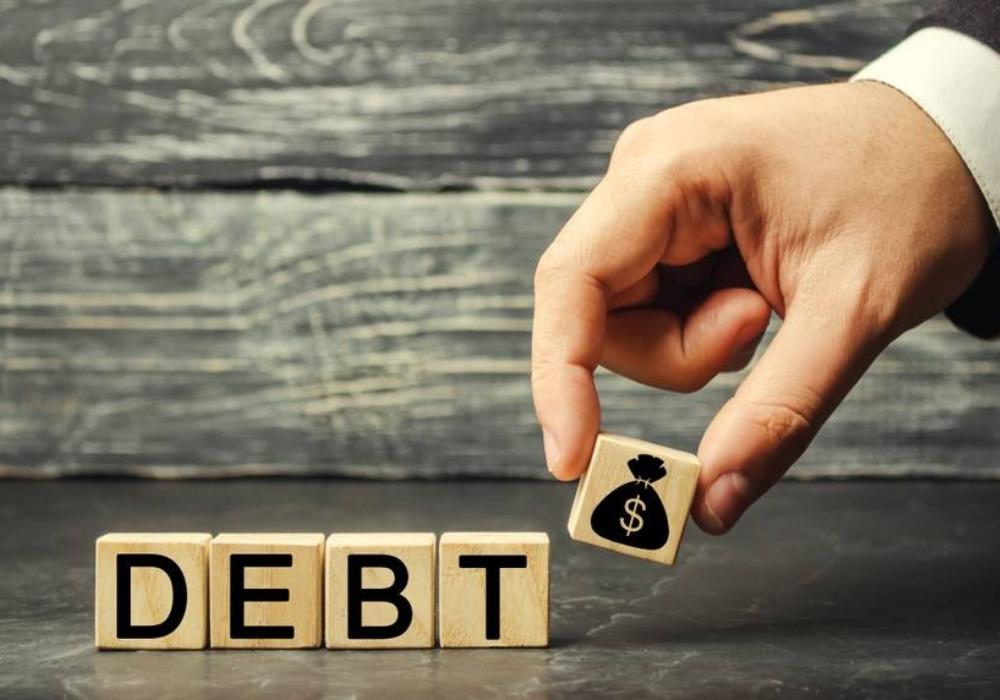
Creating a balanced portfolio by investing in debt instruments
You probably already know that investing in stocks isn’t the only way to create a balanced portfolio, regardless of your level of experience. However, a lot of Indian investors still fail to see how important debt instruments are to long-term financial stability. Bonds, debentures, and government securities are examples of debt assets that are crucial for lowering portfolio risk while providing a consistent and reliable income source.
One of the most frequent errors made by novices is putting all of their money into high-risk stocks in an attempt to generate rapid profits without taking diversification into account. You can reduce market volatility and guarantee more steady performance by incorporating debt instruments into your investment mix, particularly during recessions or stock market swings.
In essence, debt instruments are investor loans made by investors to borrowers, usually governments or corporations, who commit to paying back the principal with interest over a predetermined time frame. For investors looking for consistent income, less risk, and capital preservation, these tools are essential.
What is Debt Market?
Investors can purchase and sell a variety of debt securities on the debt market, a crucial part of the financial system. In essence, these are fixed-income instruments that pay interest on a regular basis and refund the principal amount at the conclusion of a predetermined period of time. Conservative investors choose debt instruments over stocks because they offer steady, predictable returns at a lower risk.
For example, a man will receive ₹110 at the end of the year if he invests ₹100 in a debt instrument with a one-year maturity and a 10% annual return. This is because ₹100 will be the initial investment, and ₹10 will be interest income. Because of their predictable returns, debt instruments are a desirable choice for risk management and portfolio diversification, particularly during volatile market times.
The Reserve Bank of India (RBI) has authorized a number of organizations to raise money through debt and oversees the debt market. These consist of:
Central and State Governments – Issue bonds to finance infrastructure and development projects.
- Municipal Corporations – Raise capital for urban infrastructure through municipal bonds.
- Government Agencies and Public Sector Units (PSUs) – Fund operations or strategic projects.
- Banks and NBFCs – Meet lending or capital adequacy requirements.
- Corporates (Private and Public) – Finance business expansion, working capital, or debt restructuring.
| Debt Market | |
| Nature of Trading | It is a market place where fixed-income securities are traded. |
| Risk Involved | Less volatile in nature, which makes them less risky than the Equity Market. |
| Nature of Returns | Debt market instruments provide fixed returns to the investors. |
| Role of Investors | Debt holders are creditors of the company and don’t have any voting rights. |
Debt Instruments- Meaning and Classification
A debt instrument is a type of financial asset that guarantees the return of the principal amount at the end of the term while allowing investors to receive a fixed rate of interest. It also provides issuers, like governments, businesses, or financial organizations, with a dependable way to generate money for a range of purposes.
The structure of debt instruments is what makes them generally safer than equity transactions. With debt, the issuer is legally obligated to pay back the principal plus the agreed-upon interest within a given period of time. This significantly decreases the investor’s risk because the terms of repayment are precise and legally binding.
Equity instruments, on the other hand, do not legally promise profits; instead, they reflect ownership in a business. Dividends and capital gains are possible for shareholders, but they are not assured and heavily rely on the success of the company.
1. Bonds:
A bond is a kind of financial instrument that is offered to investors by a borrower, usually a government agency, business, or other public sector organization. Simply put, when you purchase a bond, you are effectively loaning the issuer money in return for periodic interest payments (the coupon) and the principal amount being returned at the bond’s maturity, which is the end of the bond’s term.
The money acquired through bonds is used by the borrower to support a range of needs, including refinancing current debt, managing daily expenses, funding infrastructure projects, and expanding operations. Bonds give investors clarity and predictability by having predetermined terms, such as interest rate, payment schedule, and maturity date.
2. Certificates of Deposits:
One type of debt instrument that holds a particular sum of money for a predetermined period of time is a certificate of deposit, also referred to as a CD. CDs are basically risk-free because they are insured products with fixed interest rates that are provided by banks, credit unions, and thrift institutions.
You can get back both the principal and the accrued fixed interest if you buy a Certificate of Deposit and hold onto it until it matures.
3. Debentures
Over a certain time period, investors can expect a fixed, guaranteed interest return from both bonds and debentures. However, the primary difference is in the level of security they provide. Bonds are categorized as secured instruments since they are typically backed by certain assets or collateral. In the event that the issuer defaults, this collateral protects investors. On the other hand, debentures are usually unsecured, meaning that no assets must be pledged as collateral by the issuing company. This makes debentures slightly riskier than bonds, even though they may offer higher interest rates to compensate for the additional risk.
4. Fixed Deposits
A common and straightforward investing option is a fixed deposit (FD), in which you deposit a specific sum of money with a bank or non-banking financial company (NBFC) for a predetermined duration of time. You receive a guaranteed interest rate on your investment in exchange. The deposit time might be as short as seven to fourteen days or as long as ten years, depending on your demands.
Because the interest rate decided upon when the FD is opened stays the same for the duration of the term, fixed deposits are a secure and dependable investment. This implies that even if market interest rates rise or fall over that time, your gains are safeguarded.
| Credit Ratings | Indications |
| AAA | The highest degree of safety and lowest credit risk |
| AA | High degree of safety and low credit risk |
| A | An adequate degree of safety and low credit risk |
| BBB | A moderate degree of safety and moderate credit risk |
| BB | Moderate risk of default |
| B | High risk of default |
| C | Very high risk of default |
| D | Instruments are in default or expected to default |
Advantages of Investing in Debt Instruments
There are numerous advantages to investing in debt instruments in India, the most important of which are:
- Return on investment
First off, as said before, debt market instruments are a great way to get your money back. Additionally, some debt instruments, like corporate bonds, are made to pay you back with interest and capital when they mature.
- Regular Returns
By paying principal and interest at maturity, debt market instruments offer a constant flow of income. These promised and guaranteed interest payments will assist you in meeting your cash flow needs.
They may not provide as high returns as stock instruments since they are less vulnerable to market changes, but their value does not decline as quickly.
- Diversification of Portfolio
A well-diversified portfolio can be produced by combining a variety of income-producing and growth-oriented assets. In addition to distributing risk, this strategy makes sure that various components of your portfolio react to market situations in unique ways, resulting in steadier and well-rounded performance overall.
Stocks and mutual funds have the potential to yield larger profits, but they also carry a higher risk of market volatility. Because they offer consistent and predictable returns, fixed-income choices like bonds and fixed deposits (FDs) are essential for balancing this.
Disadvantages of Investing in Debt Market Instruments
Contrary to popular opinion, the debt market also has its own risk. The following are the risks associated with debt securities:
- Credit Risk
Credit risk or default risk is the result of an issuer’s inability to pay interest or principal on a debt security on time or to otherwise adhere to the terms of a bond indenture.
- Interest Rate Risk
Almost all debt market securities carry this risk. For instance, a man made an investment while the interest rate was fixed at 7%, but after a month, the market moved, and the rate increased to 10%. Thus, the man lost out on higher interest rates in this scenario and will only receive the fixed interest rate.
- Reinvestment Rate Risk
It indicates that the cash flows from one loan instrument will not be able to be reinvested at a pace that is comparable to your current rate of return. This risk is included in any investment that generates cash flow.
- Liquidity Risk
When an investor is unable to turn an asset into cash without forfeiting capital and income, liquidity risk arises.
Closing Thoughts
Debt instruments are essential to building a secure and well-balanced investment portfolio. Investments in debt offer security and consistent returns, which lower overall risk, while stocks offer growth. You can create a portfolio that is well-diversified, in line with your needs, and more equipped to handle any market situation by carefully balancing debt and equity.
Also read: Unicorns: To invest or not to invest?
Get in Touch with us
For any query/ personal assistance feel free to reach out at support@Altiusinvestech.com or call us at +91-8240614850.
To know, more about Unlisted Company. Contact Us.
You can also checkout the list of Best 5 Unlisted Shares to Buy in India
Learn more about How to apply for an IPO?